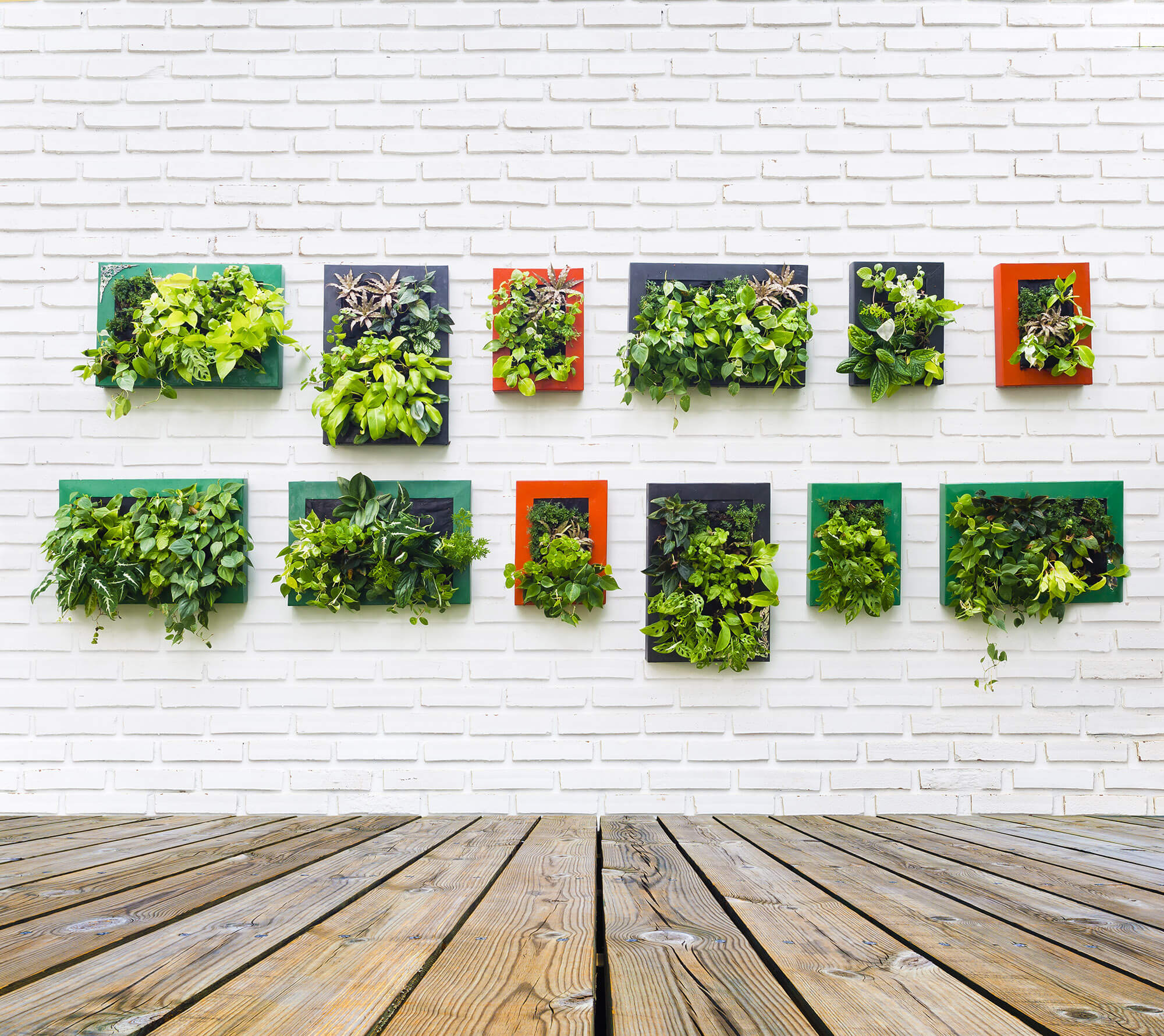
In response to growing demand for locally grown produce, Target – one of America’s largest retailers – is planning to install vertical farms in their stores.
Vertical farming – an agricultural technique which involves growing fruit and vegetables indoors in precisely programmed conditions – will enable Target to shorten the distance that some of its produce travels from “farm to fork”.
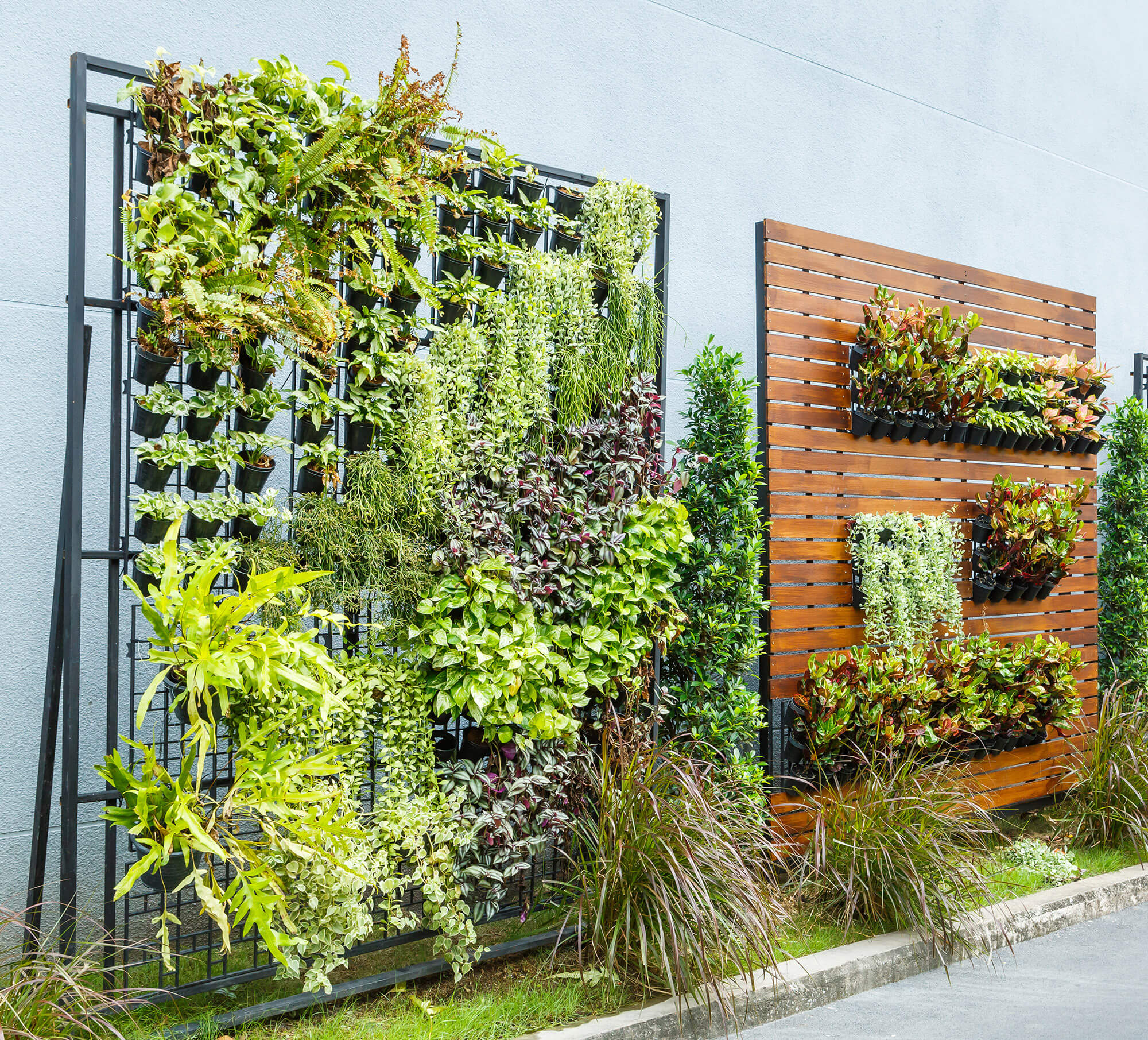
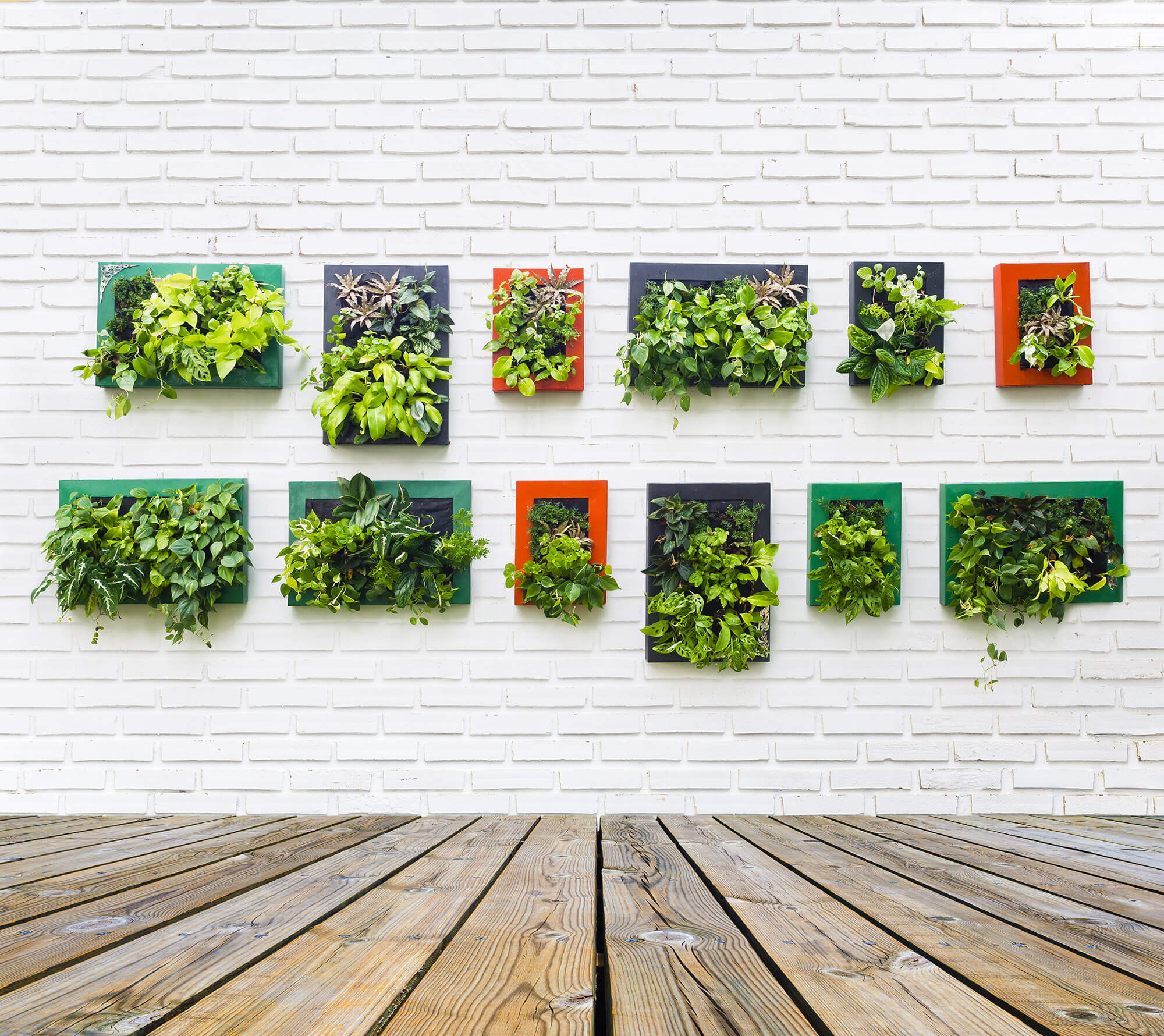
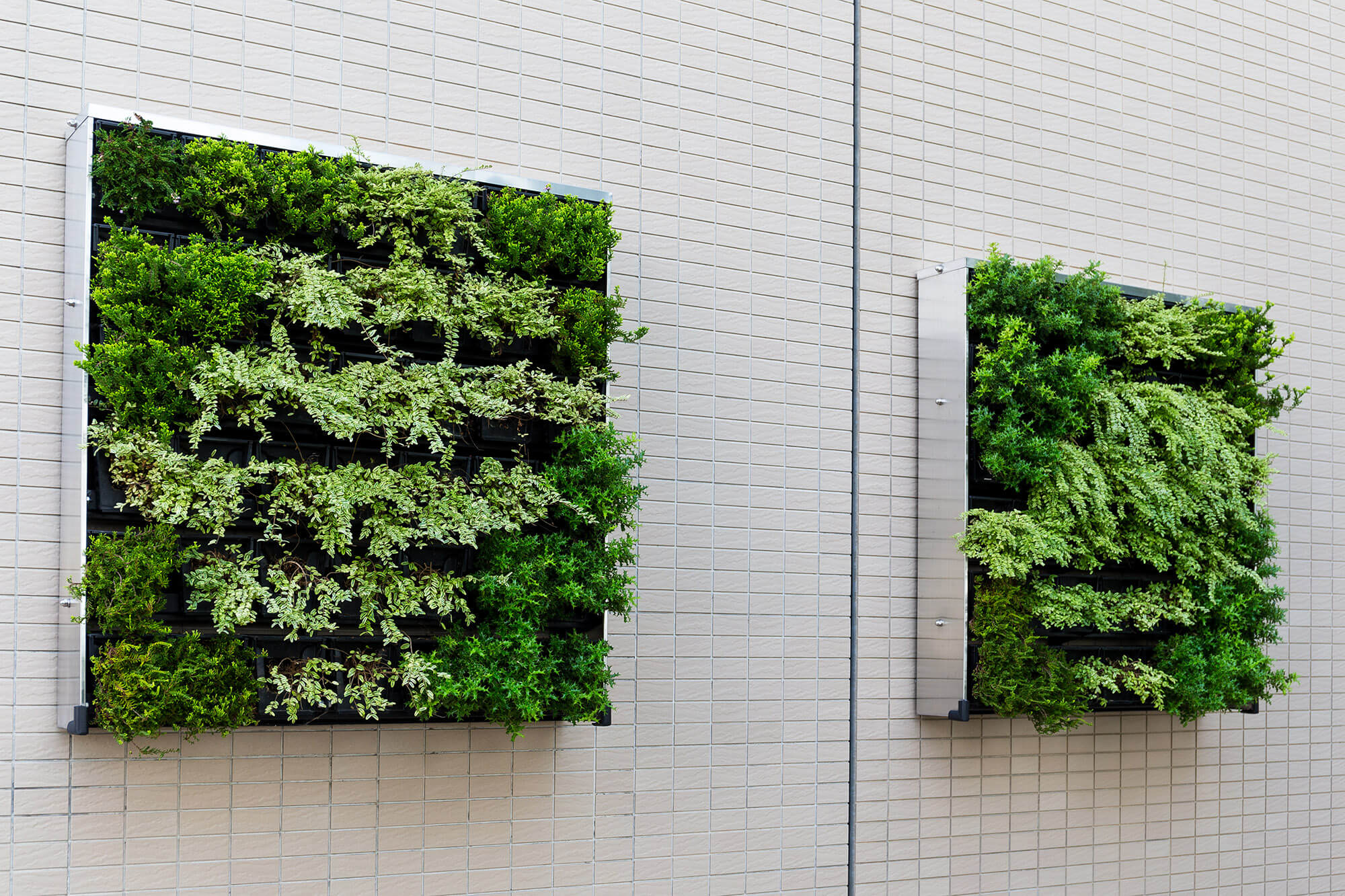
This ambitious new project is part of ongoing research and development by Target’s Food + Future CoLab, a collaboration between the MIT Media Lab and international design firm IDEO, which was established in January to explore urban farming and food innovation.
A series of trials are planned in a handful of Target stores in early-2017 to observe how customers respond to the idea of in-store grown produce. Customers will have the option of harvesting their own produce from the vertical farms or they can simply watch staff members pick produce to stock the shelves.
“Researchers are attempting to find a way to use vertical farming methods to grow other in-house crops – such as potatoes, beetroot and zucchini – as well.”
If the trials prove successful, Target stores across America will soon be filled with leafy greens – the most common stock for vertical farming. However, researchers are attempting to find a way to use vertical farming methods to grow other in-house crops – such as potatoes, beetroot and zucchini – as well.
Because MIT is part of the collaboration and has access to some of the seed banks around the world, researchers are also trying to grow ancient varietals of different vegetables – such as tomatoes and peppers – that have not been grown in over a century, just to see if it is possible.
In some of these indoor farms, produce is grown under LED lights that can mimic outdoor growing conditions and help accelerate plant growth
Vertical farming is expected to be a future growth sector, partly because food cultivated by farms is being challenged by rapidly increasing urban populations. In addition to consuming less water, vertical farms also require less space and are more accessible to consumers than traditional farms.
This farming method also addresses the growing demand for healthy food all year round by producing food without the use of pesticides and in a manner which is less vulnerable to weather risks.
Despite doubts expressed by some industry critics as to the sustainability and scalability of vertical farms, Target anticipates that ultimately part of the food supply on their shelves will be produce that they have grown themselves.