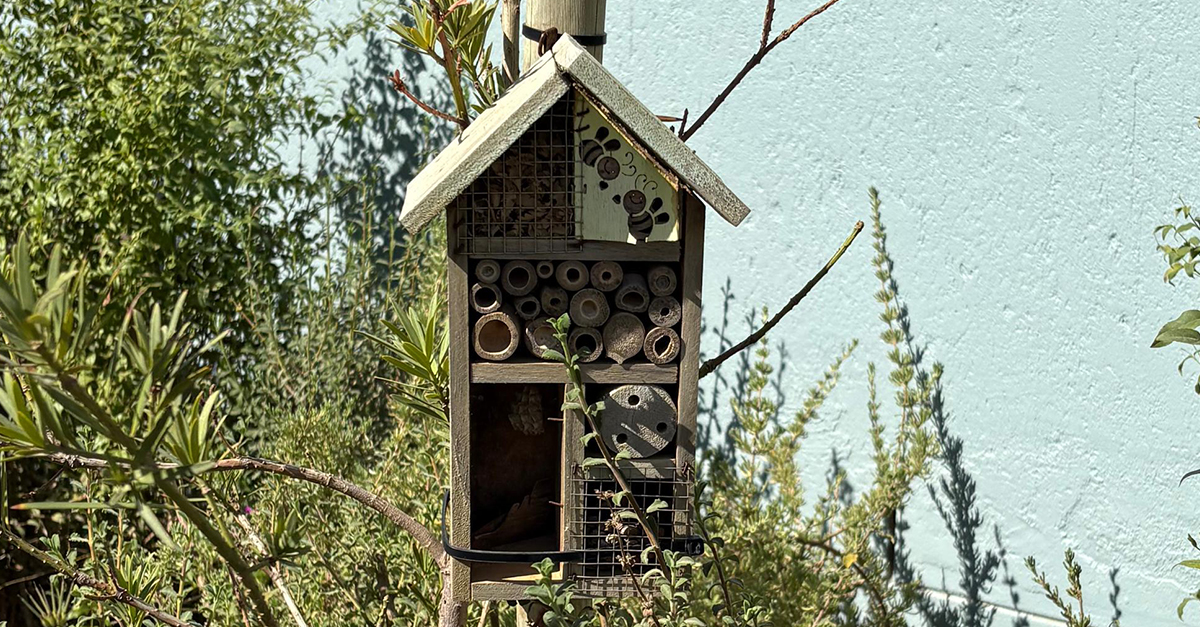
In property, we often focus on design, scale, and premium finishes. But sometimes, the most meaningful design decisions are the smallest ones. A bug hotel may seem like a simple garden feature. In reality, it reflects a deeper architectural mindset: that a home does not exist in isolation, but within an ecosystem.
When homeowners or developers make space for pollinators and small creatures, they acknowledge a broader idea of ownership, that we are custodians of the land, not just its occupants. This thinking is increasingly shaping buying decisions. Estates with indigenous landscaping, biodiversity corridors, and environmentally sensitive design are attracting stronger, more considered interest than purely ornamental environments.
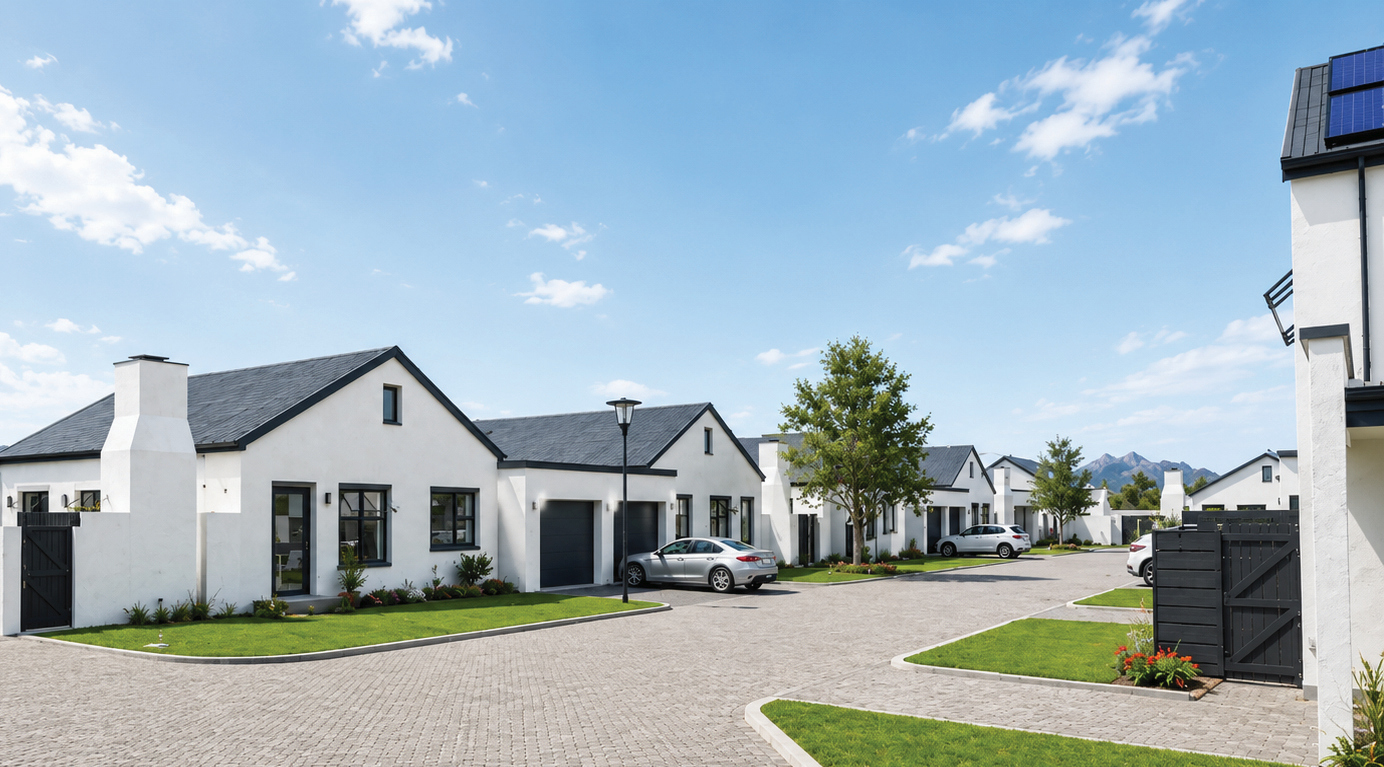
Developments such as Newinbosch in Stellenbosch illustrate this shift. By incorporating elements like bug hotels into shared green spaces, they signal that sustainability is not an afterthought, but part of the development’s design philosophy.
Beyond supporting pollination and natural pest control, a bug hotel represents something more powerful: quiet luxury. It shows that true value lies not only in what is seen, but in how thoughtfully a property responds to its surroundings.