The way people experience residential property is evolving, with precinct developments increasingly bringing homes together with work, retail, restaurants, leisure and entertainment in a single connected environment.
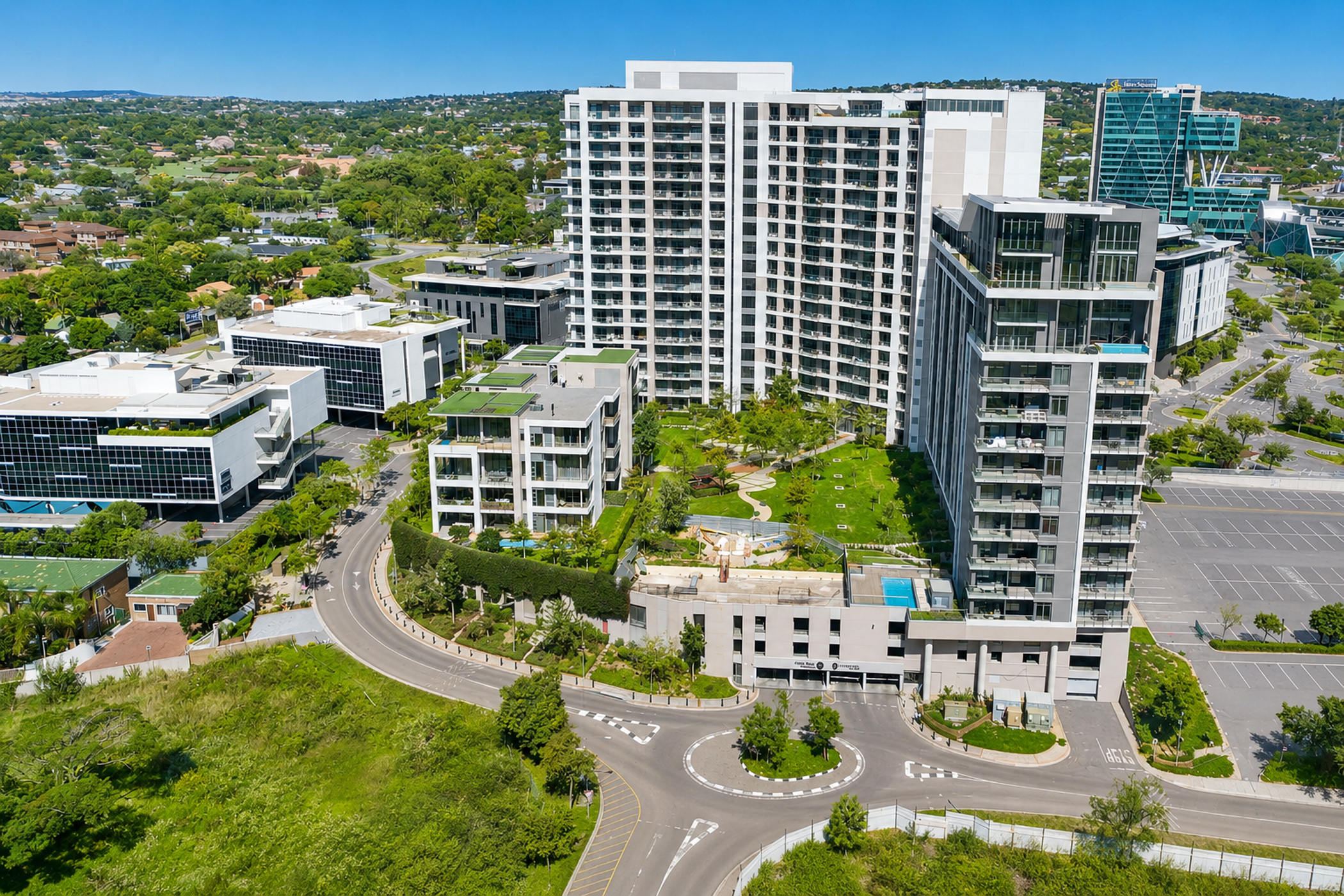
Menlyn Maine in Pretoria is an example of this approach, with residential developments forming part of a larger urban precinct that incorporates corporate offices, co-working spaces, retail, healthcare, restaurants and entertainment. The concept is less about living in an apartment in isolation and more about having a wider range of amenities and services within easy reach.
The Trilogy Collection forms part of this environment, offering a range of apartments catering for different types of buyers, from investors to owner-occupiers.
According to Brenda Webb, Pam Golding Properties agent for Menlyn Maine, apartments priced from around R1.5 million to R2.6 million, which typically comprise studios and one-bedroom units, have attracted investor interest. Studios in particular offer flexibility for owners considering short-term or longer-term rental strategies, depending on the applicable rules and the owner's objectives.
“More spacious two-bedroom apartments, priced from approximately R3 million to R4.4 million, appeal to both investors and residents seeking a longer-term home. At the upper end, a limited number of penthouse and three-bedroom luxury apartments, ranging from about R5 million to R30 million, are geared more towards primary buyers looking for a secure, higher-end residential environment,” she says.
A key feature of precinct living is the emphasis on amenities. Rather than relying solely on the facilities within an individual apartment building, residents have access to a broader lifestyle offering across the surrounding development.
At The Trilogy Collection, this includes rooftop swimming facilities with sweeping views across Pretoria, landscaped areas, biometric security and secure parking, together with access to restaurants and other amenities within Menlyn Maine. The result is a residential environment that incorporates elements traditionally associated with hospitality and resort-style living, while remaining part of a functioning urban precinct.
For investors, the attraction extends beyond the physical apartment. Depending on their goals, owners can consider different rental approaches, including longer-term, short-term or hybrid models. This flexibility allows the same type of property to serve different purposes, although the suitability and returns of each strategy will depend on factors such as demand, operating costs, occupancy and the applicable regulations.
Demand for smaller units has reportedly been particularly strong. Brenda says studios have attracted interest partly because of their potential suitability for short-term accommodation, while the broader development has continued to expand.
Phases One and Two, which have almost sold out, comprise 592 apartments, with a further 250 apartments in the pipeline for launch next year (2027), which will take the overall development to a total of 842 apartments when completed.
The growth of developments such as Menlyn Maine reflects a broader shift in how residential property is being positioned in urban areas. For some buyers, convenience is becoming an increasingly important consideration. Having restaurants, entertainment, workspaces, retail and recreational facilities nearby can reduce the need to travel for everyday activities while adding to the overall appeal of the location.
For owner-occupiers, this can translate into a more integrated lifestyle, while investors may see the combination of location, amenities and a range of potential tenant profiles as relevant to the property's longer-term appeal.
Ultimately, precinct living represents a move away from the traditional idea of an apartment as simply a place to live. Instead, the residential component becomes one element of a much larger environment – one where the distinction between home, work, leisure and entertainment areas is increasingly blurred.