Sustained buyer demand, competitive lending conditions and strong growth in key regional markets are supporting South Africa’s residential property market, despite a more challenging economic environment.
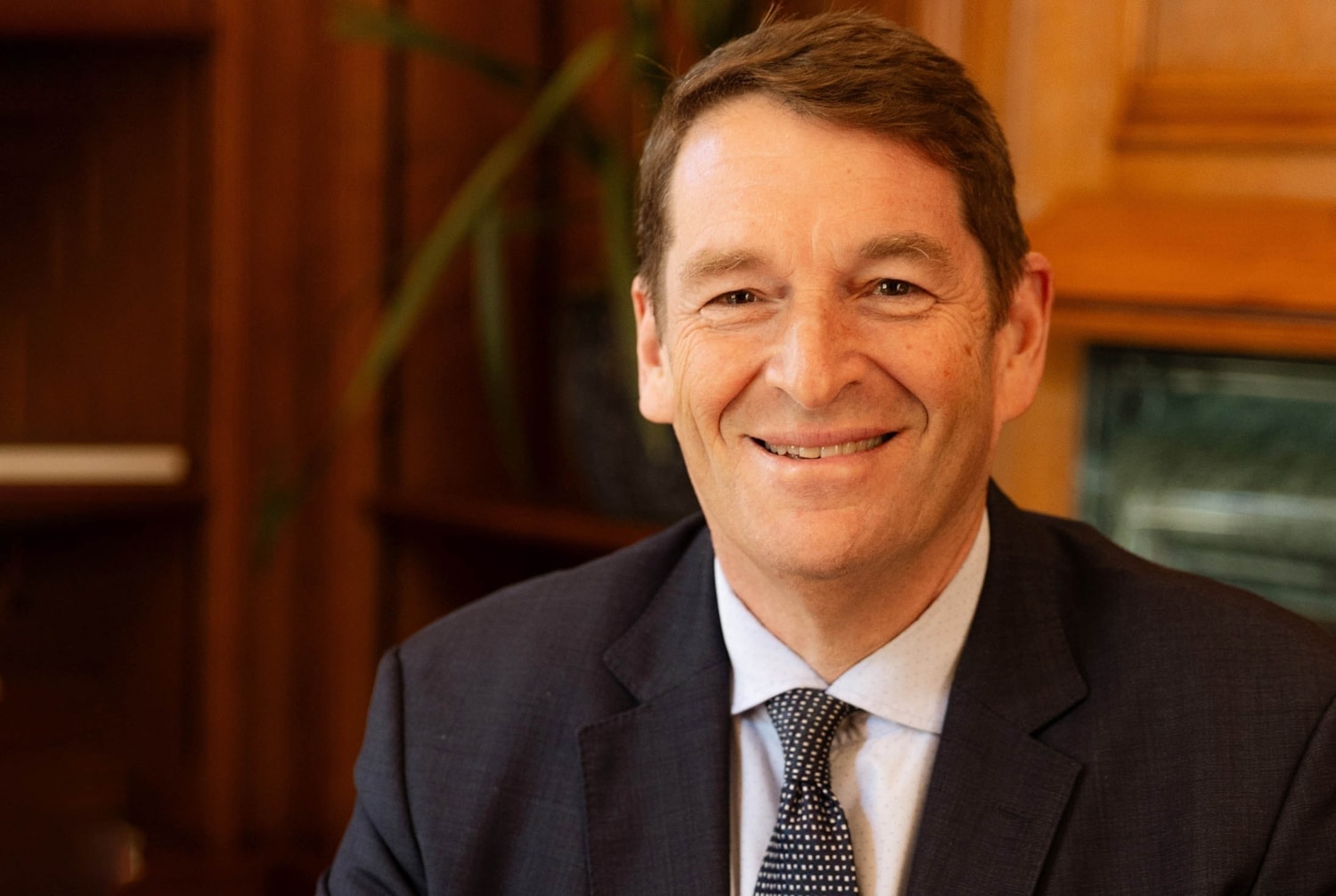
Says Dr Andrew Golding, chief executive of the Pam Golding Property group: “South Africa’s residential property market continues to demonstrate resilience, with national house price growth accelerating and sustained demand from first-time buyers and higher-value purchasers helping support sales activity.
“National house price inflation accelerated to 5.4% in July 2026, according to the Pam Golding Residential Property Index, averaging 4.9% year to date – the strongest growth recorded since the post-Covid rebound in 2021.”
Dr Golding says while economic pressures have made buyers more discerning, the underlying appetite for residential property remains encouraging.
“Activity has become increasingly selective, with buyers placing greater emphasis on affordability, value and the underlying economic and lifestyle fundamentals of the areas in which they are buying,” he says.
“Importantly, however, buyers remain present in the marketplace. Well-priced properties in regions supported by healthy local economies and attracting new residents continue to perform well, while competitive lending conditions are helping buyers gain a foothold in the market.”
Western Cape continues to lead
Regional performance remains highly differentiated, with the Western Cape continuing to outperform the national market by a significant margin.
House price growth in the Western Cape averaged 10.6% in the year to July 2026, compared with 3% in Gauteng and 2.6% in KwaZulu-Natal, according to the Pam Golding Residential Property Index. Cape Town recorded particularly robust growth of 11.4%, according to Lightstone statistics, well ahead of Ekurhuleni at 4.3%, Tshwane at 3.1%, Johannesburg at 2.3% and eThekwini at 2.1%.
Dr Golding says the Western Cape’s performance increasingly reflects structural demand rather than short-term market cycles.
“Cape Town and the broader Western Cape continue to attract people relocating for lifestyle, economic and other reasons. As affordability becomes more important, we are also seeing buyers broaden their search beyond Cape Town into surrounding towns and coastal areas, where they can often achieve greater value for money.”
Cape Town’s luxury market remains particularly robust, with sustained activity across the Atlantic Seaboard, City Bowl and Southern Suburbs. The strongest activity is being seen in the R20 million to R70 million-plus segment, where quality stock remains scarce, resulting in increasingly competitive bidding for prime, high-end properties.
Johannesburg offers compelling value
While the Western Cape continues to attract significant attention, Gauteng’s major markets are showing a gradual recovery, albeit with considerable variation in performance between individual nodes, impacted by affordability, location and the strength of local economic centres.
Dr Golding says Johannesburg’s premier suburbs continue to offer a compelling value proposition, particularly at the luxury end of the market.
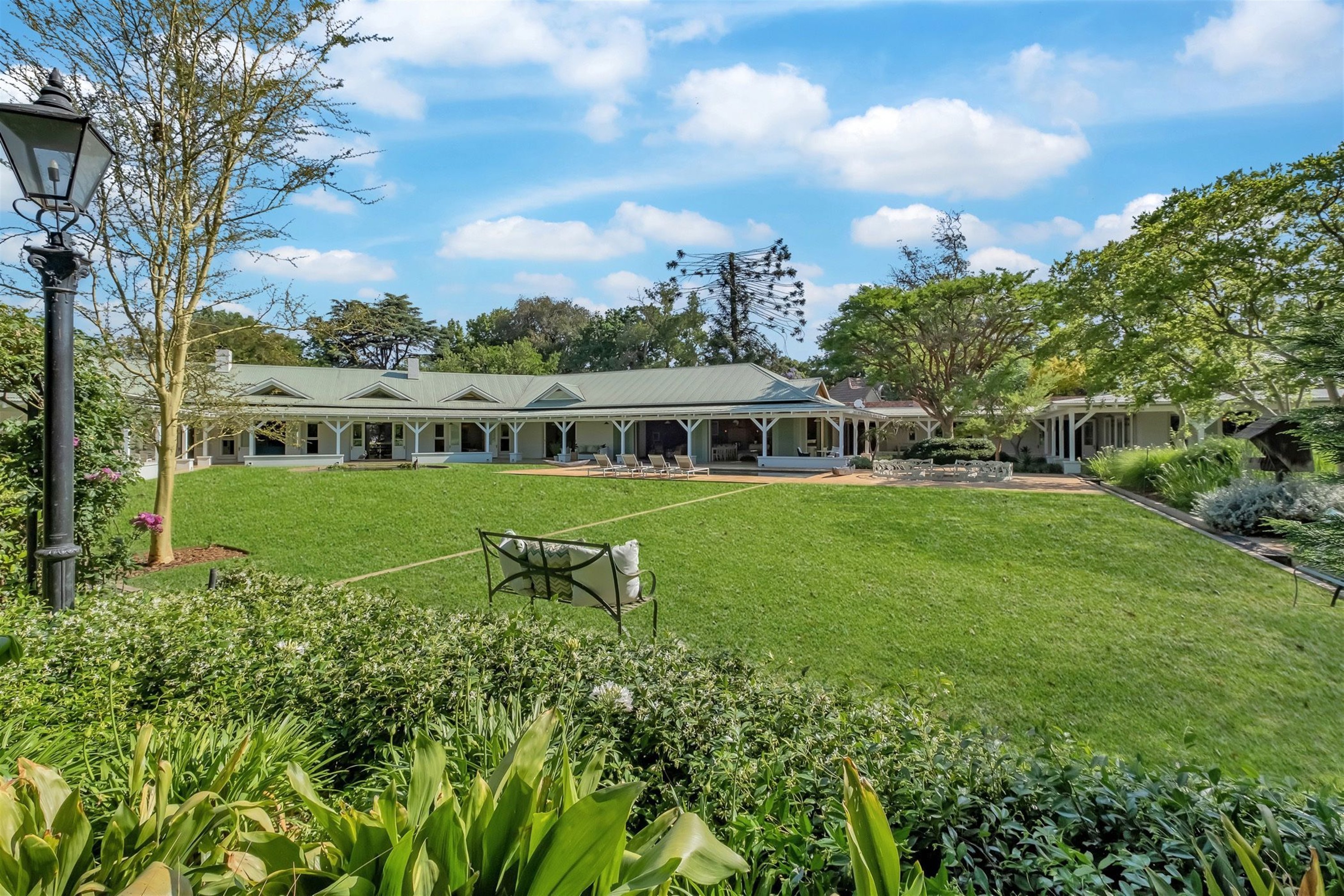
“In areas such as Hyde Park and Sandhurst, buyers can acquire substantially larger homes on generous stands than they might find in comparable prime Cape Town locations, often with mature gardens, extensive entertainment areas and a high degree of privacy.”
First-time buyers remain an important source of demand
Despite affordability pressures, first-time buyers continue to underpin activity across much of the market.
According to ooba Home Loans data, first-time buyers accounted for 47.3% of home-loan applications in the second quarter of 2026, only marginally below the 48.15% recorded in the first quarter and still one percentage point higher than a year earlier.
Banks are continuing to support this segment, with the average approval rate for first-time buyers rising to 81.4% in Q2 2026, compared with 80.3% a year earlier. First-time buyers are particularly active in more affordable markets in the Free State and Gauteng South and East.
Overall lending conditions also remain supportive. According to ooba Home Loans, the average effective approval rate rose to 84.3% during the second quarter, while applications for 100% bonds increased slightly to 56.9%, with an approval rate of 83.8%.
Although the average deposit as a percentage of purchase price increased to 13.4% in Q2 2026, banks continue to compete for market share and are providing buyers with opportunities to enter the property market through zero-deposit mortgages and loans incorporating transaction costs.
“This is extremely positive for the market,” says Dr Golding. “While buyers remain conscious of affordability, banks are demonstrating a willingness to lend, particularly where applicants have sound financial fundamentals. This is helping to sustain transaction activity.”
Increasing demand for higher-value property
Dr Golding says another notable feature of the market is the growing contribution of higher-priced properties to overall sales.
According to the latest available Deeds Office statistics, residential sales in SA increased by 1.4% in the financial year (FY) 2025, but with an increasing proportion in the upper price bands. Sales above R6 million more than doubled from 3 822 in FY2021 to 8 282 in FY2025, while sales above R20 million increased from 286 to 1 396 over the same period.
The R20 million-plus segment therefore grew from 0.1% of total sales in FY2021 to 0.6% in FY2025.
Of the 1 396 sales above R20 million in FY2025, 922 were recorded in the Western Cape and 473 in Gauteng, underlining the strength of these two major luxury markets.
Dr Golding says the growth in the upper price bands is an encouraging indicator of continued buyer appetite for quality residential property.
“We continue to see high take-up at the top end of the market, above R20 million and beyond, from both South African and international buyers. This is particularly evident in sought-after nodes in Cape Town and the Cape Winelands, Johannesburg and prime coastal markets in the Eastern Cape, Garden Route and KwaZulu-Natal.”
Buyers increasingly discerning
While the economic environment remains challenging, the market reflects its ability to adapt.
Rising fuel and living costs and higher borrowing costs have tempered the momentum seen earlier in 2026. However, properties are still selling relatively quickly, indicating that demand has not disappeared but rather that buyers have become more discerning.
Dr Golding says against this backdrop and given the sluggish economy and ongoing pressure on household budgets, it is hoped that the South African Reserve Bank (SARB) will keep the repo rate unchanged at its forthcoming Monetary Policy Committee (MPC) meeting later this month (September). A period of stability in interest rates would provide some welcome relief to consumers and homebuyers and help support ongoing confidence in the residential property market.
“The market’s performance indicates that residential property demand is being supported by a combination of demographic, lifestyle and economic factors.
“South Africa’s housing market is not moving as a single entity. The greatest opportunities are increasingly concentrated in markets and nodes where there is genuine buyer interest, economic activity, population growth and a compelling value proposition.
“For buyers and investors, this creates opportunities. The market may be more selective than it was previously, but well-priced, well-located property continues to attract purchasers, while the strength of the luxury market and ongoing participation by first-time buyers provide further evidence of the underlying resilience of residential property in South Africa.”
For further information visit www.pamgolding.co.za