Johannesburg’s rental market presents opportunities for property investors, with attractive gross yields in some established nodes, relatively low vacancy rates and sustained demand providing a supportive environment for landlords.
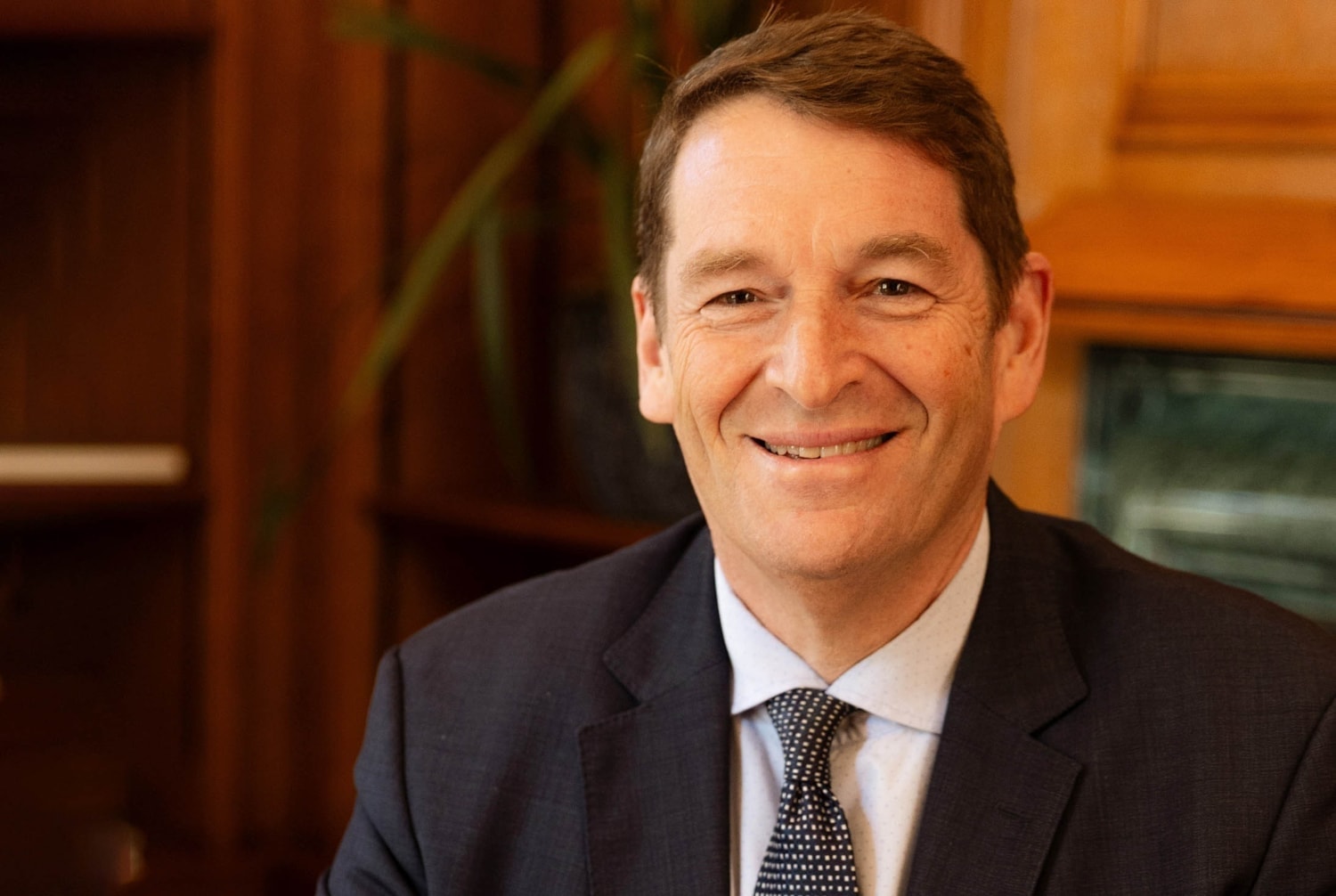
The current market is providing opportunities for both first-time investors and existing property owners looking to build longer-term wealth through property, says Garreth Gibson, who manages Johannesburg rentals for Pam Golding Properties.
“Investors considering buy-to-let should, however, look beyond the headline rental yield and assess the overall income and cost profile of a property,” he says.
“Gross yield is really the starting point when assessing a potential rental investment. The figure that ultimately matters to a landlord is the net yield – the income remaining after the associated operating costs have been deducted,” says Gibson.
He notes that gross rental yields of around 16% can still be achieved in parts of the Sandton market, depending on the property, purchase price and rental income.
“Depending on the source and data used, there may be some variation in the figures, but around 16% is certainly achievable in the right circumstances. For an investor assessing potential deals, that is a figure worth paying attention to,” he says.
Gibson cautions that investors need to factor in the costs associated with owning and maintaining a rental property when calculating the potential return.
“For example, on a property generating R12 000 a month in rental income, operating expenses such as levies, rates, maintenance and other costs can account for around 35% of the rental income. This would leave approximately R8 000 to R8 500 a month in net rental income, depending on the individual property and its costs.”
He says first-time landlords should also build a maintenance reserve into their calculations, recommending that around 5% of monthly rental income be set aside for this purpose.
“Wear and tear is inevitable, and eventually maintenance will be required. Painting, for example, is an expense that can easily be overlooked, particularly when considering the impact of sunlight and general wear on a property,” he says.
Vacancy rates provide further support
The relatively low vacancy rates evident in parts of Johannesburg’s rental market are another positive factor for landlords.
With vacancy rates in prime areas in Johannesburg such as Sandton and Northern Suburbs of approximately 4.5% to 6%, a property could be vacant for around 18 to 22 days over 365 days, assuming the annual vacancy rate applies consistently.
“While vacancy is an unavoidable consideration for any landlord, these levels indicate a relatively healthy rental market, providing stability for landlords – provided the property is appropriately priced and well managed,” says Gibson.
Investment decisions require a long-term view
Gibson says the concept of rental property as ‘passive income’ can be misleading, as successful landlords need to take an active and informed approach to managing their investment.
“There is certainly an income component, but property investment is a long-term strategy. Investors need to understand the costs, manage the property effectively and be prepared to hold the asset over time.”
For prospective landlords, he recommends obtaining both sales and rental market insight before purchasing an investment property.
“Engaging with both a sales professional and a rental professional can provide a much clearer picture. The sales professional can advise on what type of property and location may suit the investor’s budget and objectives, while the rental professional can provide insight into achievable rental income and tenant demand.
“Bringing those two perspectives together allows an investor to assess whether the property is likely to meet their investment objectives before committing to the purchase.”
The strategy can also apply to existing homeowners who are considering selling when they move to another property. Depending on the individual circumstances and numbers, retaining the existing property as a rental asset may provide an opportunity to continue generating income while benefiting from longer-term property value growth.
“The real value in property is often realised over a longer period of ownership. If you have owned a property for a relatively short period, you don’t necessarily need to sell it when your circumstances change. Depending on the numbers, retaining it as a rental can allow you to keep the asset while generating an income from it,” says Gibson.
“Property investment is about holding quality assets, generating rental income and allowing the value of those assets to build over time,” he says.

For further information contact Garreth Gibson on 011 380 0000 or email Garreth.gibson@pamgolding.co.za.