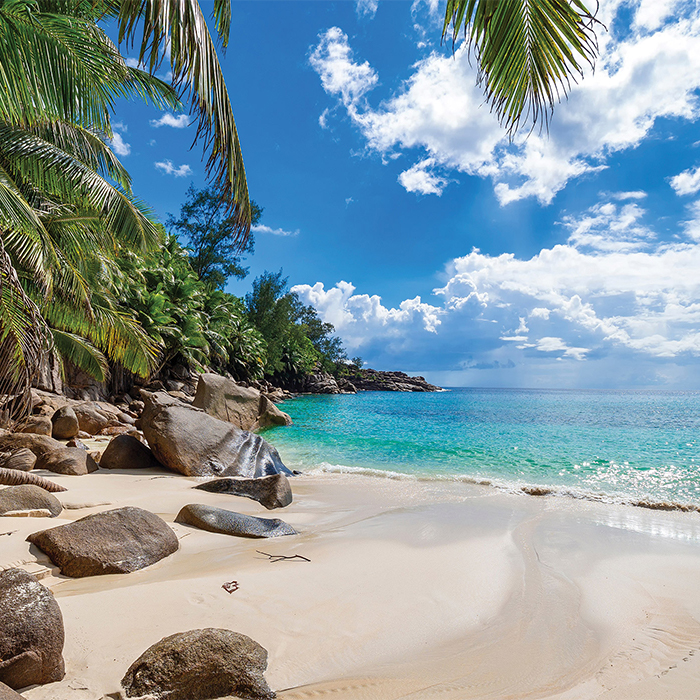
Areas | Mauritius

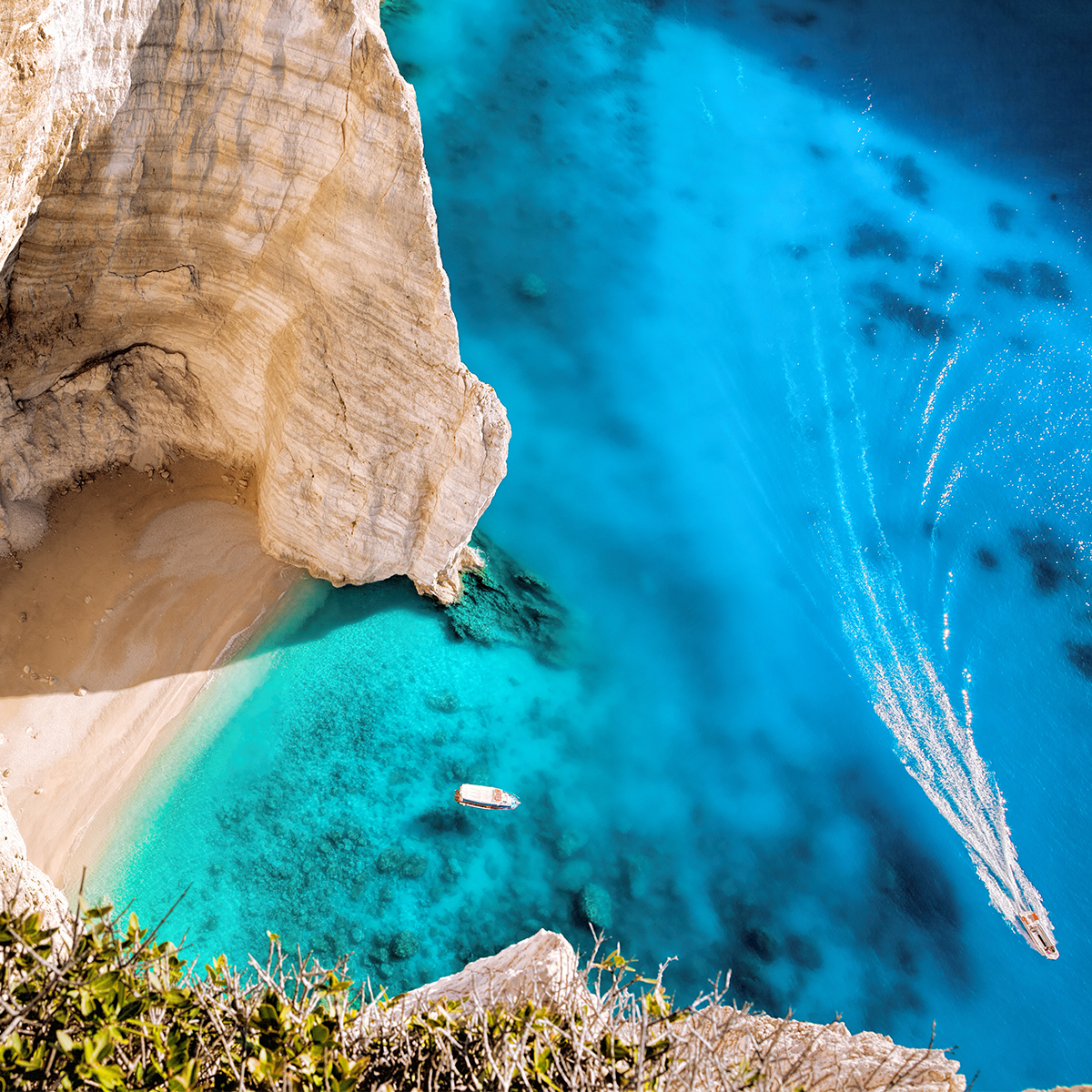
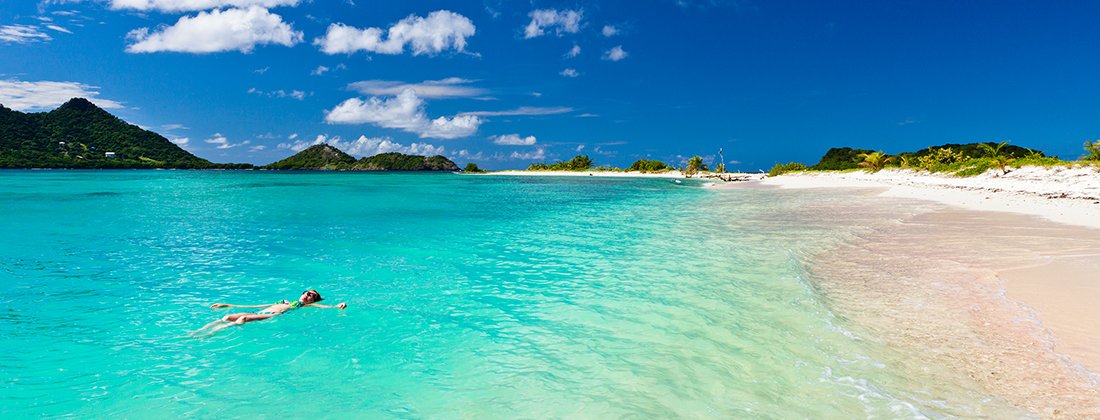
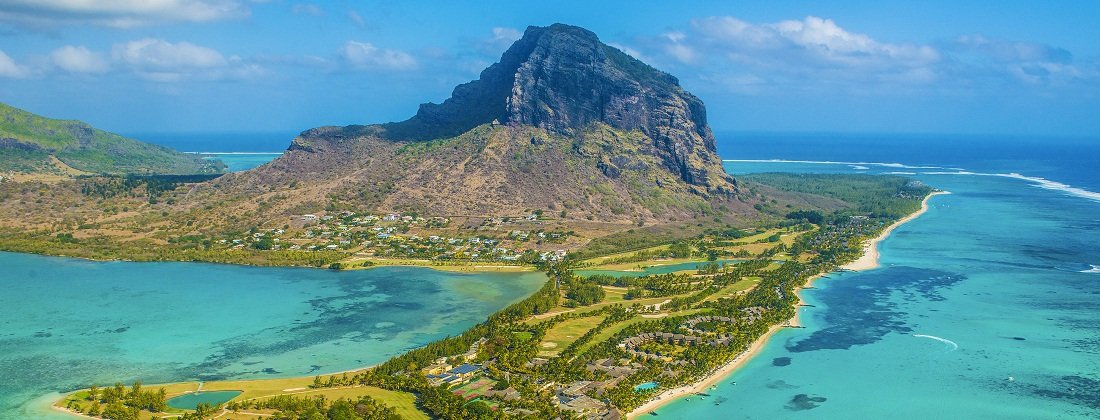
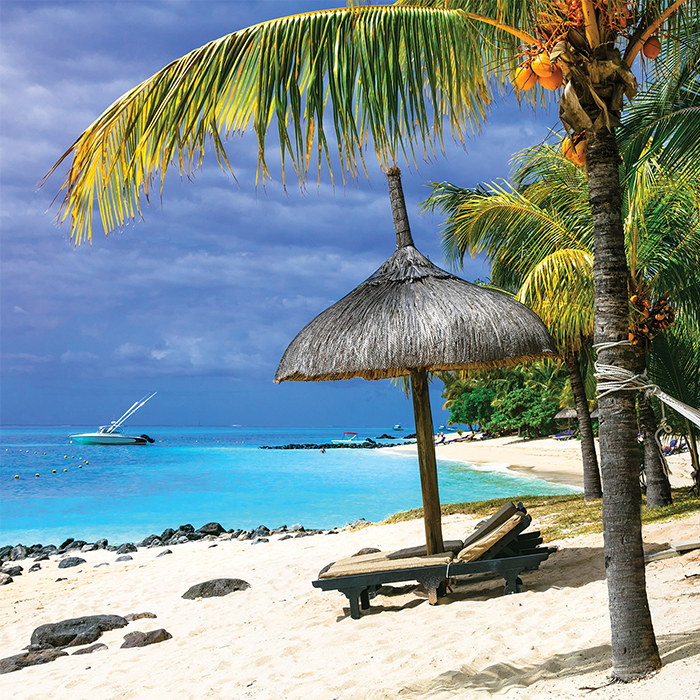
Mauritius boasts 100's of kilometres of white sandy beaches and first class hotel resorts whose facilities will surpass every visitor's expectations. Our tropical climate offers endless sunny summer days and our culinary diversity will delight every one's taste buds.

Once tasted...always wanted.

Pam Golding Properties Mauritius has been present in Mauritius for 8 years now and it has 3 offices, Central, North and West Coast. Pam Golding Properties Mauritius is part of the Projects Division which has offices in the Indan Ocean islands, South Africa and Europe. Since 2004 Mauritius has been open to international buyers and has a wide range of projects to cater for all needs from beach to golf and other residential needs. This page features properties for both local and international buyers. Read more about Mauritius...

Click Here for other developments in Mauritius
 

FEATURED PROPERTIES

MUR1025910

Piton – North

MS1982

Moka - Central

MUR1028634

Tamarin – West

Property listings in this area - select from the available listings below:
PROPERTY FOR SALE:   Residential Sales  |  Commercial Sales  |  Hospitality  |  Search
PROPERTY TO RENT: Longterm Rental  |  Holiday Rental  |  Search
LOCAL DEVELOPMENTS: The Landmark  |  Others

Local
Peter Llewellyn
Tel:+230 686 6006
Click to mail
International
Jonathan Tagg
Tel: +230 498 3842
Click to mail
 

The island of Mauritius occupies a choice section of the Indian Ocean. It is situated just north of the Tropic of Capricorn, in latitude 20º south and longitude 57º 35' east of Greenwich. It is approximately 855 kilometres off the east coast of Madagascar, Africa being the nearest continent with Mombasa some 1800 kilometres away.

Mauritius is a volcanic island about 10 million years old - only 1,865 square kilometres in area. The Central Plateau reaches 800 m in altitude with the highest peak, Piton de la Riviere Noire hitting 828 m. The coastline of 330 kilometres is almost entirely surrounded by one of the largest unbroken coral reefs in the world.

Mauritius is an all-year-round holiday resort saved from extreme temperatures. In the summer months, from November to April, the temperature varies from 20° C to 28° C on the Central Plateau and from 25° C to 33° C on the coast. From May to October, the average temperature is 19° C in the centre of the island, rarely falling under 13° C at night.

On the coast, all temperatures are about 5° C higher. The sea temperature approaches 27° C in summertime and is down to 22° C in winter. The hours of daylight are approximately from 05:00 to 19:00 in summer and 06:00 to 17:30 in June, July and August - the winter months. The rainy season occurs from January to March - especially on the Central Plateau. Cyclones may occur between November and February.

Founded by the Dutch. In 1598, Vice Admiral Wybrandt van Warwyck claimed the island for the Netherlands, christening it after his ruler, Maurice, Prince of Orange and Count of Nassau and they settled there 40 years late. They departed for good in 1710, leaving in their wake the extinction of the dodo and the introduction of African slaves, Javan deer, wild boar, tobacco and sugar cane.

Five years later, French captain Guillaume Dufresne d'Arsal claimed the island, renamed it Île de France and gave it over to the French East India Company to run as a trading base. During the second half of the 18th century, the island's capital, Port Louis, became a free trading base and haven for corsairs - mercenary marines paid by a country to plunder the ships of its enemies Unhappy about the competition,, the British moved in on the corsairs (and on Mauritius).

After an initial defeat, the Brits landed at Cap Malheureux on the northern coast and took the island. The 1814 Treaty of Paris ceded Île de France, Rodrigues and the Seychelles to the victors but allowed Franco-Mauritians to retain their language, religion, Napoleonic Code legal system and sugar plantations. Mauritius was granted independence from Britain on 12 March 1968.

Over half the population of Mauritius is Hindu and roughly another fifth is Muslim; both groups descend from labourers brought to the island by the British to work the cane fields. The remaining population is composed mainly of Créoles, descendants of African slaves, and Franco-Mauritians, the original settlers of the island. English is the official language of the island, though you're bound to hear French, Créole (a melange of French and various African dialects) and a smattering of Indian languages.

The island's main contribution to the performing arts is the Créole séga, pronounced saygah,, a foot-shuffling, body-gyrating, downright erotic dance that's generally performed on the beach to the rhythm of Latin American, Caribbean and African pop. The Sega is a dance which originated from the ritual music of Madagascar and the mainland of Africa, and it is the Musical Expression of the Mauritian Way of Life: Joy, Carefree and Lively.

Originally sung by men and women who had been sold as slaves but whose souls had remained sensitive to music, the Sega is nowadays a folksong which has integrated itself within the framework of our folklore. It is a cry from the soul trying to transcend the miseries and heartaches of life, while at the same time expressing the universal human desire for joy and happiness. It tells the joys and sorrows of the peasants and the fishing folks. It is a nostalgic heritage of the villagers. Its beats, gripping in intensity, now provide entertainment to Mauritians of all walks of life in towns and villages. Today the Sega and its beat are a part of every Mauritian's life.

One highlight of a visit to Mauritius is the magnificent mixture of cuisines on offer. The most common varieties are Créole, European, Chinese and Indian, with seafood almost always the specialty. Mauritian cuisine is a medley of these cuisines adapted for local availability of vegetables and meats.

The bryani Mauritian-style can be quite remote from the Pakistani original. Unlike Indian curries, the Mauritian curry uses fresh tomatoes. If seafoods are a favourite of yours, then don't forget to treat yourself to the "Millionaire's salad" of oysters, shrimps, crayfish, crabs, Rosenbergi prawns, served with "sauce rouge" and the heart of a palm tree.

Mauritius is surrounded by coral reefs almost around the island. The reefs are close enough to the beach, making the lagoon safe for swimming. Many hotels provide windsurfing and kayaking equipment for their guests, and for those who prefer less strenuous communing, there's usually a glass-bottom boat to be found. Serious anglers will love the superb deep-sea fishing in the waters off Mauritius, where there are healthy populations of blue and black marlin, bonita and yellowfin tuna, several species of shark and spectacular sailfish to hook into.

Overall, October through April is the best time to sink a line, though there are fish to be caught year round and the wahoo don't start biting until September. Diving in Mauritius with its virgin beaches embraced by coral reefs and translucent lagoons offers some of the best dives in the Indian Ocean. The waters surrounding Mauritius have an astonishing marine fauna and some of the most interesting coral and fish species in the world.

Grand-Baie

Very important seaside place and main marina of the island. One of the starting points for big game fishing. The biggest tourist centre in Mauritius with a variety of accomodations, water sports offers, shops and excellent restaurants. One also finds a choice of discotheques and bars there. Several suppliers organize tours across the island and excursions on the sea; for example going to the island Coin de Mire. The beaches lie in a large outgoing bay which is protected from wind and waves. Grand Baie is probably THE most popular beach on the island, and regularly welcomes people from all over the world. It is a safe place for swimming, sailing, windsurfing, and water skiing. Only 20 kilometers away from Port-Louis, Grand Baie has a host of clothing and craft shops, restaurants and trendy night clubs. It is also unsurprisingly also home to a few exclusive hotels like the Royal Palm and the Merville. From Grand Baie, one can catch a helicopter for an excursion along the coast, or get onto a boat for a trip into the deep seas to Coin de Mire, Ile Plate and Ile Ronde.

Port Louis

Backed by mountains at the north-western end of the island, the burgeoning capital of Port Louis is a large city (in proportion to the size of Mauritius), though it contains a relatively small percentage of the country's total population. During the day, it bustles with big-city commercial activity - snarling traffic, honking horns and all. By night, in contrast, all is quiet - except for the swish new Le Caudan Waterfront, where you'll find a casino, cinemas, shops, bars and restaurants. A good place to get a feel for city life is the Port Louis Market, near the water in the heart of downtown. With sections devoted to fruits and vegetables, meats and fish, souvenirs, crafts, clothing and spices, be ready to practise some hard bargaining. Port-Louis also hosts colourful Indian and Chinese 'boutiques' offering an improbable variety of household articles. T-shirt shopping is a MUST!!, nowhere else will you find such a wide variety of export-quality T-shirts at bargain prices.


Sir Seewoosagur Ramgoolam Botanical Gardens

These modest but well kept gardens are a highlight of a visit to Mauritius. Though there are few flowers inside, one key attraction is the park's giant Victoria regia water lilies, native to the Amazon. From the centre of a huge pad, the lily's flower opens white one day and closes red the next. Other attractions include golden bamboo, chewing gum trees, fish poison trees, a 200-year-old Buddha tree and - for Christians - a cross tree with leaves shaped like crucifixes.

Curepipe

Curepipe's main street of historical interest is Elizabeth Ave. There, the recently renovated colonial-style Hôtel de Ville (1902) functions as the town hall. In its gardens, you'll find a statue of the fictitious lovers Paul and Virginie from Bernadin de St Pierre's 1788 novel of the same name. West of the town centre, Curepipe's botanical gardens are not as spectacular as those of Pamplemousses, but they are well kept and informal, with nature trails branching off of the main paths. Between Curepipe and Floreal is the spectacular Trou aux Cerfs, an extinct crater 85 m deep and more than 200m wide from the rim of which one enjoys an extensive view of the island.

Ile aux Cerfs

Off the east cost, 20 minutes by boat from pointe Maurice you find this island resort The island has two restaurants, a boathouse and miles of beautiful beaches. What you get when you step off the ferry is a sheltered, crowded beach and lagoon for water sports or sunbathing, restaurants and several souvenir stalls. You can walk only around the seaward half of the island, that is, clockwise from the landing site. On the island, there is a boat house where you can hire water skis, pedalos, sailboards, surfcats, Laser dinghies and canoes. Two-hour boat trips are offered to the Grande Rivière Sud-Est waterfall; and there's also a tour around Île aux Cerfs.. Ile aux Cerfs is one of the most beautiful places in the Indian ocean. Don't fail paying a visit there!

Black River Gorges National Park

This beautiful highland area south-west of Curepipe is like no other part of the island. About 6km (4mi) from Curepipe, Mauritius' only mountain road reaches the dam wall of the park's large reservoir, Mare aux Vacoas. The best time to visit Black River Gorges National Park is during the flowering season between September and January. Look for the rare tambalacoque or dodo tree, black ebony trees and the exotic birds that perch in them.

Trou-aux-Biches

One of the most beautiful beaches in Mauritius. It is particularly suitable for children since the water isn't deep there. It is also a nice place to snorkel, especially for beginners because you can reach the lovely coral-reefs and a variety of exotic fishes easily after only 50 - 100m swim. The indian temple of Maheswarnath in Triolet can be reached after a short walk of about 30 minutes.

Mauritius
Peter Llewellyn
Central Office
7 Wilson Lane, Vacoas, Mauritius
Tel: + 230 686 6006
Fax: + 230 686 3842
E-mail: pamgolding@intnet.mu

 
Terms and Conditions | Copyright | Privacy Policy